Introduction
Rats are a common sight in many neighborhoods, often running across streets or hiding in bushes and piles of garbage bags. The increase in outdoor rodent activity is a result of the COVID-19 pandemic, with the expansion of outdoor dining and budget cuts to sanitation. If you have noticed rats on or around your property, there’s a good chance they are coming from nearby burrows. In this article, we will discuss burrowing rats and how to effectively get rid of them.
Do Rats Burrow?
Yes, rats do burrow. The two most common rat species in New York City are the Norway rat (Rattus norvegicus) and the Roof rat (Rattus rattus). Out of these two species, only the Norway rat is known to burrow. Roof rats prefer to nest off the ground in trees or in upper parts of buildings, such as attics.
Norway rats naturally burrow into the ground in outdoor environments to protect themselves from predators and harsh weather conditions. These burrows are typically found near building foundations or underneath bushes and shrubbery. A newly established burrow usually houses a single family of rats, which typically consists of 6-8 individuals. As the population grows, rats will dig new tunnels and holes to create additional entry and exit points.
What Does a Rat Burrow Look Like?
A rat burrow appears as a small hole in the ground, usually about 2-3 inches across. The larger holes are typically the main entry points, while smaller entry and exit points can be found under shrubbery, discarded items, or lawn waste. If a burrow is active, the main entrance will likely be cleared of vegetation. Rats also create runways, worn-down paths in the grass, and leave greasy track marks along walls that lead into the entrance of their burrows. Rat droppings may also be spotted along these runways.
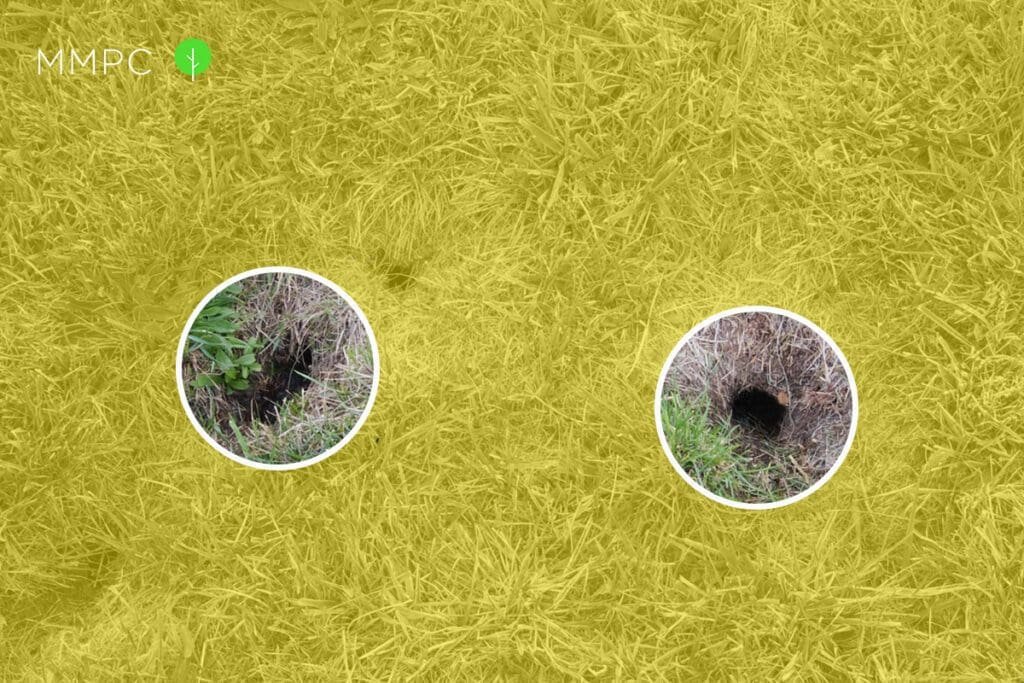
How Deep Do Rats Burrow?
Norway rat burrows are typically between 12-18 inches deep. If the burrow is located against the foundation of a building, it may be as deep as 4 feet, allowing rats to travel beneath the foundation and into the building.
Can Rats Burrow through Gravel?
While it is possible, rats do not prefer to burrow in areas with gravel. Gravel limits their ability to conceal their movements and hide the entrance of the burrow. In comparison, rats can easily move around and burrow in grassy areas without drawing attention.
How to Get Rid of Burrowing Rats
When dealing with burrowing rats on your property, it’s important to first address and remove the conditions that attracted them. Failure to do so may result in rats returning and creating new burrows.
- Start by removing any clutter that can serve as cover for rats to run around and hide.
- Trim bushes and other areas of overgrowth near buildings and sidewalks to eliminate potential hiding spots.
- Most importantly, eliminate potential food sources for rats. Keep trash in metal lidded cans and only take the garbage out to the curb on collection days.
Locating and closing rat burrows is another crucial step in getting rid of these pests. By filling up the burrows and sealing the entrances, you can discourage rats from living near your property. This not only destroys their home but also disrupts their daily routine, which rats dislike. This disruption often causes them to leave and find new areas to establish their nests.
How to Fill Rat Burrows
To effectively fill rat burrows, follow these steps:
- Look for signs of activity, such as cleared entrances, tracks, runways, or droppings.
- If the burrow is active, stuff the entrance with steel wool or mesh wire to prevent rats from accessing it.
- Fill the hole with soil and dirt, ensuring it is compacted. This can be done by stomping it down or using a shovel to tamp it down.
If the burrow appears to be inactive or abandoned, simply use a shovel to fill the hole with dirt and then compact it. Wait a few days and check back to see if rats have attempted to dig back into the burrow. If they have, it indicates an active burrow.
When dealing with an active burrow, filling it with dirt alone is not sufficient, as rats may reopen it. In such cases, stuffing the entrances with tightly packed steel wool can prevent rats from digging their way back in or out. It is crucial to ensure that the steel wool is tightly packed to prevent rats from chewing through it.
In some cases, you may want to flush out the burrow first to force any rats inside to come out. This can be done by using a hose to fill the burrow with water. By doing so, rats inside are prevented from digging new holes after you’ve closed the existing ones.
It’s important to note that attempting to fill the burrow with dry ice, poison, or bleach to kill the rats inside should be avoided. These methods require safe and proper application and should be left to trained professionals.
How to Get Rid of Rat Burrows in Gardens
Gardens are tempting locations for rats to burrow due to the proximity to food and water sources. To get rid of burrowing rats in your garden, consider the following measures:
- Install sturdy wire mesh or chicken wire to block entry into your garden and compost bins.
- Place wire landscaping mesh approximately 1/2 inch below the soil around plants to prevent rats from digging.
- Keep compost in rodent-resistant bins with tightly-fitted lids.
- Keep plants trimmed and well-maintained to minimize hiding spots for rats.
- Remove clutter and garbage from the garden area.

Professional Rodent Control Methods
Pest control professionals, such as MMPC, utilize several methods to effectively control burrowing rats. These methods should only be used by licensed and trained professionals:
Dry Ice
Dry ice is a powerful tool for controlling burrowing rat populations and is commonly used in major cities like New York City. It can be packed into burrows before sealing them to exterminate rats inside.
As dry ice melts, it releases large amounts of carbon dioxide, which fills the burrow and suffocates any rats hiding within. This method is considered more humane than other extermination methods. Additionally, dry ice is non-toxic and does not release harmful chemicals into the environment.
It is important to note that dry ice can be dangerous if not handled properly. Direct contact with dry ice can cause severe burns and frostbite. Therefore, it should only be used by trained professionals.
Carbon Monoxide
Carbon monoxide is a colorless and odorless gas that reduces oxygen supply to tissues, leading to hypoxia. Pest control technicians utilize machines like BurrowRx, which pump carbon monoxide through a nozzle into active rat burrows.
The machine is equipped with a smoke oil tracer, making the carbon monoxide gas visible. This helps technicians locate additional entry and exit holes where gas may be escaping. These holes are then closed with soil, and any rats inside the burrow are humanely killed within minutes.
It is essential to note that carbon monoxide machines should only be used by licensed professionals. Carbon monoxide is a poisonous gas and should only be used outdoors to prevent smoke or exhaust from entering indoor spaces.
Rat Bait Stations
Rat bait stations can be strategically placed near active burrows or areas with suspected rat activity. These small, tamper-resistant plastic boxes contain poisoned rodent bait.
When used to control rats, professionals typically use slow-acting poisons containing anticoagulants that interfere with blood clotting. This causes the rodent to eventually die from internal bleeding.
About MMPC
If you are dealing with an outdoor rat infestation on your property or in your neighborhood, MMPC is here to help. With over 25 years of experience, our team of licensed pest control experts specializes in getting rid of burrowing rats and other pests. Contact us today for effective pest control solutions.