
Gynecomastia surgery, a surgical procedure that eliminates surplus skin, fat, and glandular breast tissue from male breasts, is occasionally (though not invariably) included in health insurance coverage.
Generally speaking, health insurance providers do not consider surgeries of this nature as “medically necessary” since their primary purpose is to enhance an individual’s aesthetic appearance. It is important to note that the majority of plastic surgeries, such as breast lifts or liposuction, are typically not covered by health insurance.
Gynecomastia is a condition that is generally regarded as abnormal because it may cause discomfort and pain in the future when it persists. However, this condition has different available options for insurance coverage, and it may also be caused by other providers.
Treatment for gynecomastia can be life-changing for many men. Surgery can reduce pain and discomfort caused by gynecomastia, alleviate shoulder and back pain, improve posture, and help men improve their self-confidence. It can also give men a wider variety of clothing options and offer other benefits. It is important to investigate all available payment options if you require this surgery. So, you can undergo the procedure and get back to living your best life.
Schedule Your Gynecomastia Consultation Today
The gynecomastia condition can be relieved through male breast reduction surgery. Relieve your pain and discomfort, enhance the contours of your chest, and boost your overall confidence by undergoing this procedure.
Call today to book your consultation appointment with board-certified plastic surgeon Dr. Ashley Steinberg.
When Is Gynecomastia Surgery Covered By Medical Insurance?
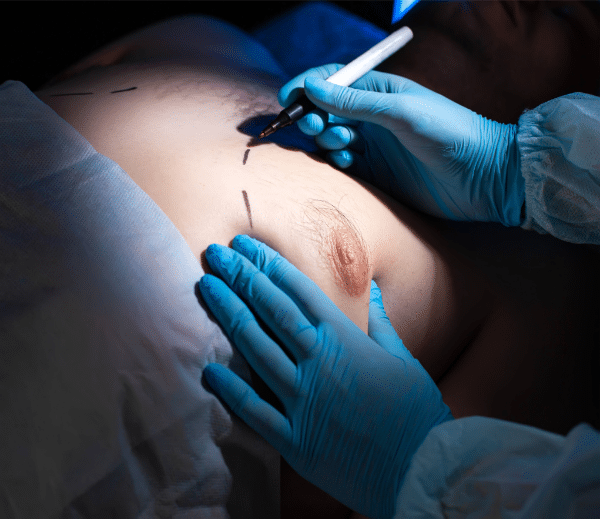 The most important thing to remember when it comes to plastic surgery and insurance coverage is that every health insurance company is different. Moreover, different health insurance plans have different levels of coverage.
When the surgery for male breast reduction is deemed medically necessary, it is usually covered by insurance, which means that all males, whether suspected or confirmed to have malignancy, are following this procedure.
Make sure to check with your insurance provider and familiarize yourself with their requirements for coverage of gynecomastia surgery. It is important to note that some health insurance policies may have specific criteria that need to be met in order to apply for coverage. It is advisable to review these criteria again.
Will Insurance Cover Gynecomastia Surgery for Minors?
It is important to note that every insurance company is different. However, if adolescent males experience breast enlargement and meet the following criteria, the cost of gynecomastia surgery may be covered by insurance.
Can Adolescent Gynecomastia Go Away on Its Own?
It is important to remember, however, that many pubertal patients will see symptoms disappear on their own when insurance companies cover surgery for gynecomastia that meets the above criteria.
If gynecomastia persists, it is wise to consult a plastic surgeon for options regarding treatment and diagnosis. Generally, within a few months to a year, the chest contours will usually return to normal. These changes in hormone levels during puberty are natural and related to the excess growth of glandular tissue in such situations.
How Much Does Gynecomastia Surgery Cost?
 Every patient is unique when it comes to gynecomastia. Some patients require the extraction of glandular breast tissue only while other patients may require liposuction of fat and excess skin removal as well. These variations in the condition and required treatments mean that the cost of gynecomastia surgery may be drastically different from patient to patient.
Keep in mind that the average cost of surgical treatment for gynecomastia does not include other costs and expenses related to anesthesia or the facility. The American Society of Plastic Surgeons estimates that the average cost for gynecomastia surgery ranges between $4,500 and $7,500. However, the cost can still vary.
In general, the expenses associated with
Payment Options for Gynecomastia Surgery Costs
 For gynecomastia patients whose surgeries will not be covered by insurance, there are still options for payment of gynecomastia treatment. Some plastic surgeons, for example, offer patient financing plans in-office. Payment options can be arranged, or patients can pay with a credit card.
Likewise, individuals seeking wellness-related and health procedures, for which insurance does not cover, can inquire about financing options such as CareCredit — a special credit card that caters to those who are looking for ways to pay for any gynecomastia procedure similar to your own plans.
References
Https://www.Plasticsurgery.Org/documents/Health-Policy/Positions/Gynecomastia_ICC.Pdf.