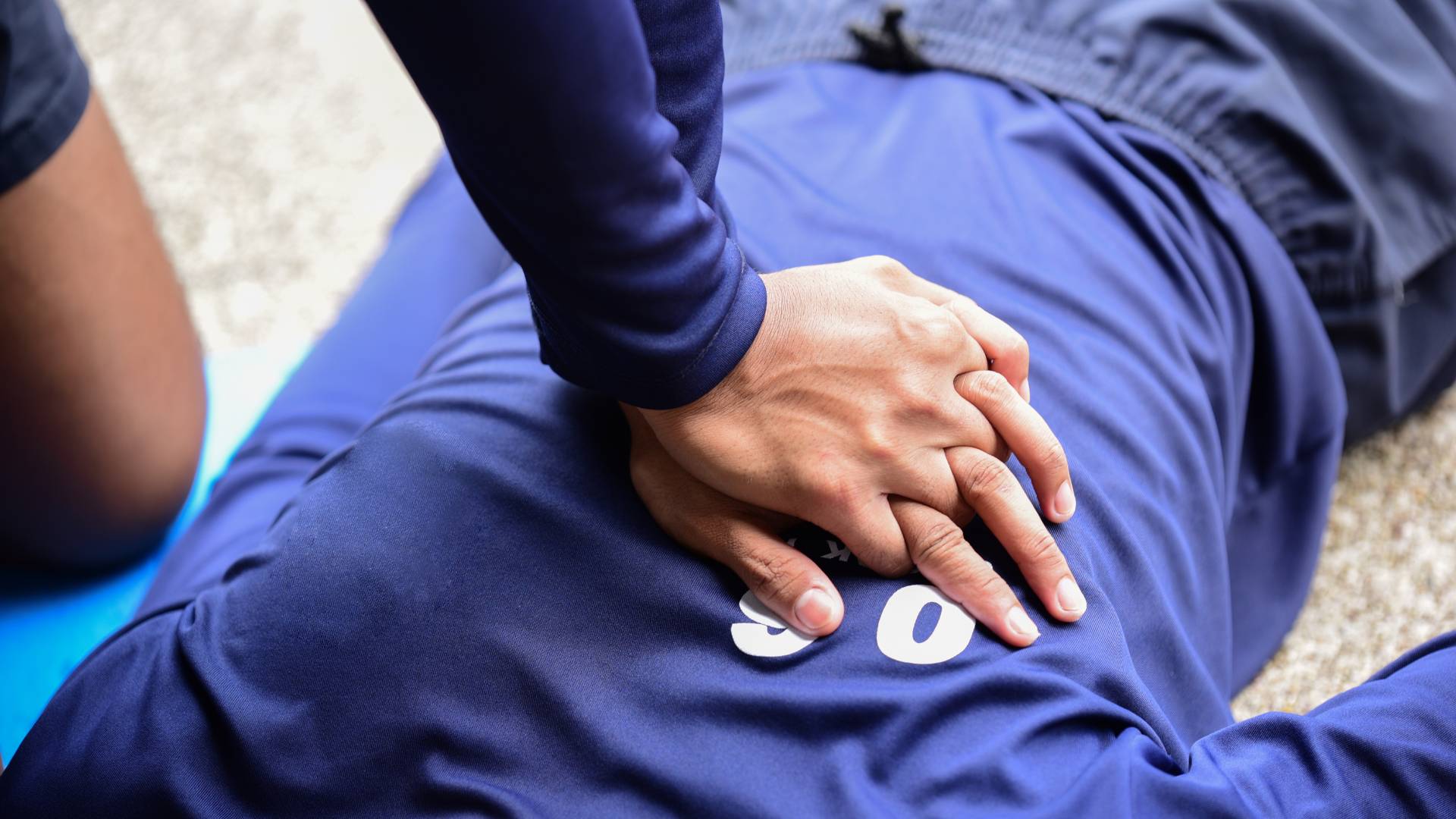
When an emergency is encountered, some signs of stopping performing CPR may appear obvious, but things tend to be different. However, there are situations and instances where CPR is no longer needed or viable. Nonetheless, possessing the knowledge to perform CPR can potentially save a life.
Even if you possess a certain level of CPR training, understanding the appropriate moment to cease administering CPR is equally crucial. Keep reading to comprehend the reasons and circumstances for stopping CPR.
5 Signs and Situations to Stop Performing CPR
There are signs and rules that need to be known and recognized when CPR is necessary. Additionally, there are signs and rules that need to be understood in order to determine when to cease performing CPR. We have identified five signs and situations that you should be aware of.
Signs of Life
When performing CPR, it is important to prioritize stopping chest compressions if the person begins to show any signs of consciousness, such as making sounds, opening their eyes, moving their body, or breathing.
If you detect any pulse or observe normal cardiac rhythm, there is no necessity to persist with CPR. However, in the event that the individual regains consciousness, it would be prudent to attract their attention and ensure they remain calm and at ease until the paramedics arrive at the location.
Medical Intervention
If you are performing CPR and paramedics and EMTs arrive at the scene, it is not a signal for you to cease what you are doing. They must evaluate the situation and prepare the necessary equipment. After they instruct you to halt, step aside and allow the experts to assume control.
Paramedics have the ability to take action by inserting an ETT (endotracheal tube) while observing the respiration in order to identify ROSC. By carrying out RSI (rapid sequence intubation), it entails assuming control of the individual’s respiration. Paramedics will search for any indications of vitality through chest compressions or an automated external defibrillator, guaranteeing a restoration of spontaneous circulation (ROSC). EMTs and paramedics will guarantee a restoration of spontaneous circulation (ROSC).
The individual should be transported to the hospital by the paramedics for additional examinations, and cardiopulmonary resuscitation (CPR) is no longer necessary at this stage. The EtCO2 monitor will indicate the amount of exhaled carbon dioxide, detecting any rise in End Tidal CO2.
DNR Order
When a nearby person has a cardiac arrest and you happen to be a random bystander, the first thing that comes to mind is performing CPR before checking for a DNR order wallet card or DNR order bracelet.
People who are terminally ill often have a Do-Not-Resuscitate (DNR) order in place, which means they do not want cardiopulmonary resuscitation (CPR) to be performed if their breathing or heart stops. A DNR order is one of the many advanced directives that a person can request from their physician.
Are doctors and paramedics not allowed to perform CPR? If you have a medical emergency where your heart stops or you stop breathing, does this mean you are not able to make a conscious decision about your family and the doctor will place the DNR order in your medical record? When a person has gained insight into the positives and negatives, the doctor will place the DNR order in their medical record. DNR orders are accepted by every hospital and doctor in every state in the US.
In certain states, there exist two categories of do-not-resuscitate DNR directives.
Death of Victim
To ensure that CPR is ineffective, it is important for you to understand the various phases of death; if death is evident, it is advised to cease administering CPR. CPR is utilized for individuals who have experienced cardiac arrest.
Cold Skin
If the person’s body feels cold to the touch, it is advisable to administer CPR. Generally, if someone has a cold body, they are already beyond the stage where CPR can be effective. Nevertheless, it is important to consider certain circumstances, such as being in a very cold environment or being a victim of drowning, which might give inaccurate indications and should be carefully evaluated.
It is recommended to perform CPR unless the body is in rigor mortis. Prior to deciding against administering CPR, ensure to examine and eliminate all possibilities indicating the definite demise of the individual.
Rigor Mortis
If you find a person who is completely stiff, beyond the point of CPR, their legs and arms will not move freely. Rigor mortis can occur as soon as 4 hours after the person dies. You can recognize whether the person has been dead for hours by the stiffness of their limbs.
Livor Mortis
Lividity, also known as postmortem livor mortis, is a sign of death that occurs after a person has died for several hours. It is the result of blood accumulating in the blood vessels, causing the skin to appear bluish.
If the person is lying face down, you may observe the bluish skin on their face or front torso. Livor mortis occurs at the center of gravity, however, there are distinctions. It does bear a resemblance to bruising.
Major Traumatic Injuries
If a person has suffered a major traumatic injury, such as a severe amputation-like loss of blood, many emergency medical services may not even attempt CPR protocols.
Unsafe Scene
Initially, it is crucial to prioritize your well-being and physical condition if relocating the individual is not feasible or if the environment is excessively hazardous. Whenever you encounter a circumstance where it is perilous to administer CPR, make an effort to transfer the person to a more secure location.
If there is a significant amount of moving traffic, the victim has been electrocuted, or is in a body of water, for instance, make sure to dial 911 and prioritize your own safety.
Key Takeaways: When to Stop Performing CPR
If you find yourself performing CPR for more than 20 minutes, there is a low probability of the individual’s survival. In the absence of the person and performing CPR for an extended period, it is crucial to watch out for indications of life such as respiration or a consistent heartbeat. If the individual becomes unconscious, it is essential to begin by examining for a DNR (Do Not Resuscitate) directive bracelet or card to determine if CPR should indeed be initiated. Assessing every element of the situation is vital when witnessing someone experiencing cardiac arrest.
Make sure that the medical teams remain composed and calm until they arrive, and ensure that they follow all the necessary steps. It is important to prioritize assisting the person who comes first, but also remember that you may need to adhere to certain ethical and legal considerations.
FAQs
How long should I perform CPR before stopping?
Recent studies document, however, that patients who receive CPR for over 20 minutes should not be stopped, as it doesn’t provide any results and some say that performing CPR for over 30 minutes increases the chances of survival.
Do you stop CPR when an AED becomes available?
The AED is used in combination with CPR, meaning that after each chest compression, a shock is delivered, indicating whether the person needs more shocks or CPR. Perform CPR until the AED device is ready to use.
How to require a DNR order?
Your doctor can place the DNR directive in your medical records once you have confirmed your preference for a DNR order, and your primary physician discusses the advantages and disadvantages associated with CRP.
Do I call 911 before or after performing CPR?
The first priority should be to call medical professionals. They should assess the situation and call 911 for assistance. If there are other bystanders nearby, you can ask them to make the 911 call while you attend to the victim. If the person is conscious and responsive, talk and keep them calm while you assess what help you can provide to the victim. If the person is unresponsive and showing no signs of life, proceed to perform CPR.