The performance you see after months of grueling rehearsals. Especially when it comes to fixing incorrect posture and perfecting the form, balancing and turning, running, and leaping, it takes a heavy toll on your feet. All ballerinas bear the brunt of the strenuous exertion involved in dancing ballet. Dancing ballet requires intense effort using every muscle in the dancer’s body and is exceptionally athletic. Ballerinas make it look effortless, but the truth couldn’t be further from that. They look elegant and graceful as they pirouette across the stage.
Common Injuries to Ballerina Feet
Dancers’ feet are prone to a multitude of injuries, including:
Why Do Ballerinas Cut Their Feet With Razors?
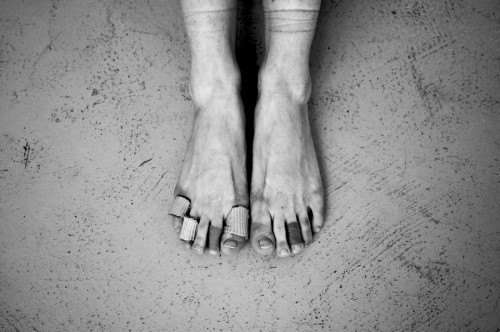
Ballet dancers wear ballet slippers called pointe shoes, which allow them to balance on the tips of their toes. Unfortunately, this puts all the weight of the ballerina’s body on their toes, causing a host of foot problems including blisters, corns, calluses, and bunions. In an attempt to find relief, some ballerinas will try cutting off the affected areas with razors. However, conditions like bunions, which affect the bones of the feet, cannot be removed by razors.
Ballerinas usually try to harden their feet and protect their toes with wool or cotton stuffing, and they often polish furniture with ballet slippers. In addition, classical ballet dancers need to feel the floor as they dance, so their Pointe shoes must be somewhat thin and snug on the side. It’s no wonder that ballerinas, who spend four to six hours a day in pointe shoes, take quite a beating on their feet.
Treating Ballerina Feet
If you are a ballet dancer, it is important to be cautious when cutting your feet with a razor, as using a poor substitute can result in improper foot care. In all cases, it is recommended to seek proper foot care from a knowledgeable and experienced expert in the field, such as an orthopedic doctor or a podiatrist who specializes in dance and sports medicine. Dr. Lisa Schoene is a well-versed doctor in dance medicine, with extensive knowledge and experience in treating dancers who are suffering from foot issues. She has offices conveniently located in City Park and Chicago, Illinois, in the Northern part of the state. It is crucial to resist the urge to take matters into your own hands, as you can cause more damage to your feet.
When you are under the care of Dr. Schoene, rest assured that your feet will be in good hands. It is important to remember that using razors to cut your feet can do more harm than good. Dr. Schoene, a professional with extensive experience, will examine your feet and develop a treatment plan to alleviate your symptoms and treat your pain, allowing you to get back to ballet dancing. If you would like a thorough evaluation of your foot conditions, please feel free to contact Dr. Schoene at Medicine & Podiatry Gurnee.